


Before you go out on the road in your RV, it is essential to know how to use your RV toilet properly, and how to care for your toilet and black tank. It may seem a little scary at first, but using an RV toilet can actually be very easy.
In this guide, we’ll cover how to use an RV toilet, how to avoid clogs, foul odors, and misreading sensors in your RV, and how to keep your RV toilet and black tank at peak condition all season long.
Key Points About Using Your RV Toilet
- Getting familiar with your RV toilet’s controls will help you feel confident and at ease while on your next camping trip.
- Using an RV toilet properly includes keeping water in the toilet bowl, using plenty of water with every flush, controlling what enters your black tank, and cleaning with bacteria- and enzyme-based treatments rather than harsh chemicals or bleach.
- If you’re constantly struggling with your RV toilet and find it needs to be replaced often, then it’s likely that improper black tank maintenance is the problem. It isn’t normal to replace RV toilets frequently.
- For long term success with your RV toilet, and to prevent unpleasant odors, misreading sensors, and clogs in your RV, make sure to follow The Unique Method, a tried and tested system that helps prevent all major RV wastewater issues before they develop.
Learn Your RV Toilet Controls
An RV toilet works a little bit differently than your toilet at home. The most common type of RV toilet is a gravity flush toilet, which uses water and gravity to create enough pressure for flushing.
Steps for using a gravity flush RV toilet:
- Locate the Water Valve: Usually located near the toilet’s base.
- Turn on the Water Source: If you are using water from your RV, turn on the water pump to use water from your freshwater holding tank. If you’re using hook-ups, simply turn on the faucet.
- Add Water to the RV Toilet Bowl: Press down on the foot pedal, and add a few inches of water to the toilet bowl. You’ll need enough to cover the seal.
- Use the RV Toilet Normally: Make sure that only human waste, toilet paper, high quality bacteria- and enzyme-based black tank treatments, and water are the only things that are flushed down the toilet.
- Flush the RV Toilet: Hold down the foot pedal for at least 10 seconds whenever you flush, because this adds enough water to the black water tank to help prevent odors and clogs.
- Add More Water to the RV Toilet Bowl: Keeping a small amount of water in your toilet bowl, except when driving, acts as a vapor barrier, and helps prevent foul odors from escaping out of the black tank and into the living space of your RV.
Easy, right? By following these simple guidelines, you can feel confident when using the toilet in your RV. But, that’s not everything you need to know. If you want to avoid clogs, foul odors, and misreading sensors in your RV, then there are a few additional steps you need to take to keep your RV toilet functioning reliably while out on the road.
How to Use Your RV Toilet Properly
Using your RV toilet correctly can be easy if you follow a few basic principles. In fact, after 30 years of solving wastewater issues professionally, we developed The Unique Method. The concept is that by following the right process and using the right products, you can prevent 99% of your RV wastewater issues before they even occur.
Guide: The Unique Method
1. Keep Water in the RV Toilet Bowl to Prevent Odors
Water acts as a natural odor barrier, and can help prevent foul odors and clogs in your RV.
We recommend keeping a small amount of water in your RV toilet bowl at times, except when driving. Keeping water in the RV toilet bowl acts as a vapor barrier, and stops unpleasant odors inside the black tank from wafting up and into the living space of your RV.
Guide: Why Using Lots of Water in Your RV Toilet And Tanks is Crucial
2. Use Plenty of Water When Flushing Your RV Toilet
Common RV problems like clogs, foul odors, and misreading sensors are caused by not having enough water inside of your black water holding tank.
Whenever you flush your RV toilet, hold down the flush pedal for at least 10 seconds every time.
Water is the best thing you can add to your black water holding tank because it is crucial for preventing clogs. Adding ample amounts of water to your black water tank prevents pyramid plugs and compacted tanks by softening waste and toilet paper and stopping it from getting stuck to the walls and floor of the tank.
Additionally, hot tanks are the main cause of stinky black tanks, and fresh water can help keep tanks cooler and reduce odors.
3. Control What Enters Your RV Black Tank
The only things that should ever enter your RV black tank is water, urine, poop, toilet paper, and high-quality bacteria + enzyme based tank treatment.
Flushable wipes, paper towels, feminine products, trash, plastics, and other items will not break down properly in your black tank, and will certainly contribute to clogs and other problems.
If you are following The Unique Method, and are using a high-quality tank treatment like RV Digest-It Ultra, you can safely use regular toilet paper or RV toilet paper. While there is a lot of hype about only using RV toilet paper, you can safely choose the toilet paper that suits you best if you’re caring for your black tank correctly.
Guide: Is RV Toilet Paper Really Necessary?
4. Avoid Cleaning Your RV Toilet With Harsh Chemicals or Bleach
Cleaning your RV toilet with harsh chemicals and bleach can not only damage seals, valves, and other tank components, but they can disrupt the natural bacteria in your black tank and prevent waste and toilet paper from being broken down effectively.
Opt for RV toilet cleaners that lubricate valves and seals while supporting your black tank. We prefer Unique Scrub-It, an RV toilet bowl cleaner that removes tough stains while injecting your black tank with beneficial bacteria and enzymes.
Guide: Why Are Bacteria and Enzymes Good for Your RV Holding Tanks?
5. Properly Remove and Replace RV Toilet If Needed
Though it’s less common, if your toilet isn’t holding water, consistently leaks, or won’t flush properly, you might need to replace your RV toilet seal or the entire toilet.
Video: Steps to Easily Replace an RV Toilet!
When learning how to install an RV toilet, ensure you have a proper seal, and tighten all connections securely.
If you find yourself needing to replace your RV toilet time and again, improper black tank maintenance is probably the culprit. It’s not normal to replace an RV toilet frequently.
How to Take Care of Your RV Toilet and Black Water Tank
Aside from using and cleaning your RV toilet correctly, there are some important steps you can take to keep your RV toilet and black tank at peak condition long term.
1. Keep Your RV Black Tank Valve Closed
You should always keep your RV’s black tank valve closed unless you’re actively dumping.
Leaving your black water tank valve open is one of the leading ways to develop clogs.
When you leave your black tank valve open, all of the liquid inside of the tank flows out as intended, but leaves waste and toilet paper behind. When this occurs, the waste can build up on top of itself to form a pyramid plug. Regardless of being on hook-ups or not, it is important to leave your black tank valve closed except when you’re dumping your tank.
Guide: Why It’s Crucial to Keep Your RV Black Water Valve Closed
2. Treat Your RV Black Water Tank With High-Quality Bacteria + Enzyme Based Treatment
Treating your RV black tank regularly ensures that waste is broken down effectively while managing odors. However, not all tank treatments are created equal.
You should only use high-quality RV black tank treatments that combine the gold standard of bacteria and enzymes. This combination is the only way to adequately liquify toilet paper and human waste, eliminate odors at the source without masking them with dangerous chemicals or synthetic perfumes, and help prevent misreading sensors.
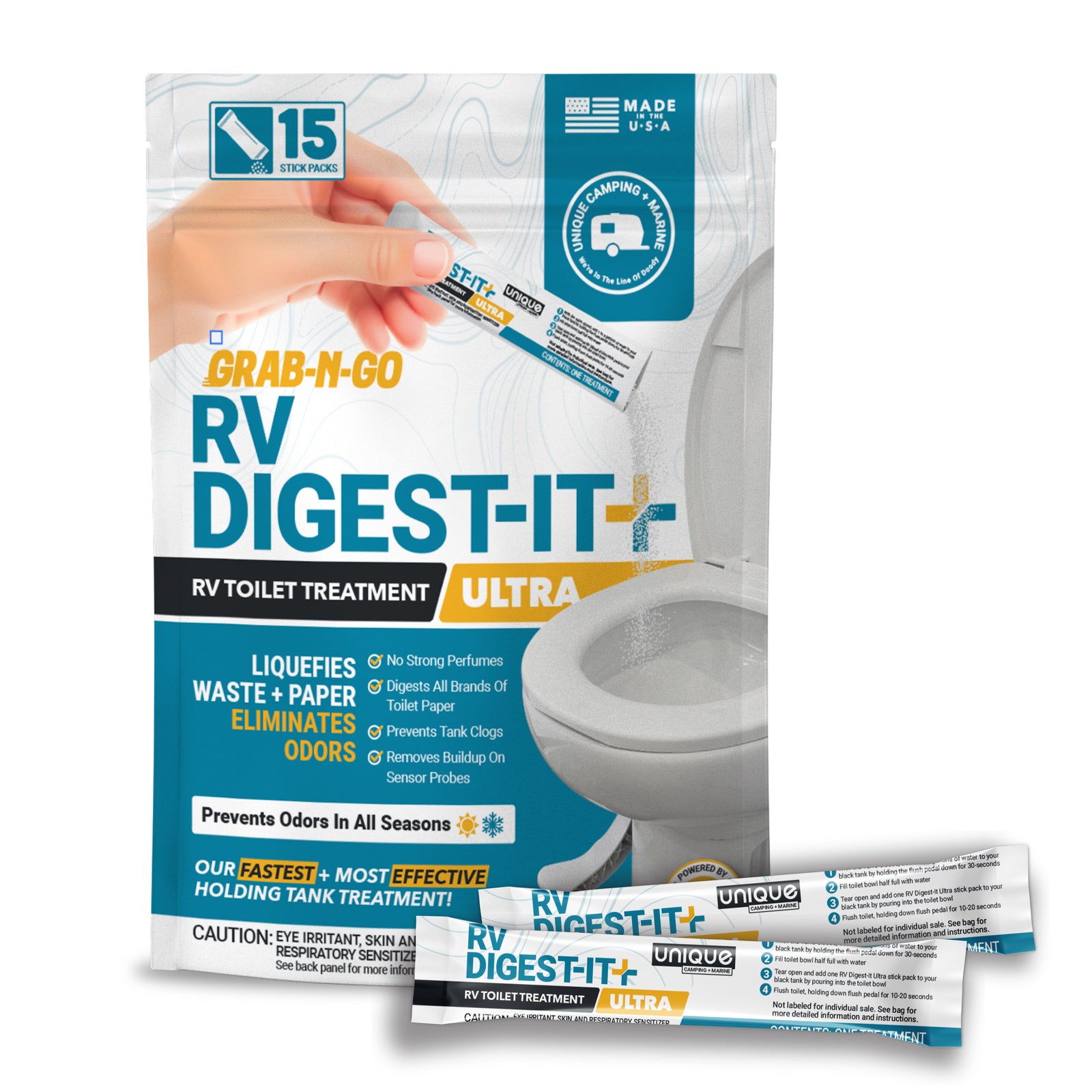
The best RV black tank treatment is RV Digest-It Ultra, which includes a strong payload of bacteria and enzymes that work fast to keep your black tank free from odors, misreading sensors, and clogs.
3. Thoroughly Rinse Your RV Black Water Holding Tank After Every Dump
Rinsing your RV black water holding tank after each dump can help keep it free from build up that can lead to clogs and foul odors in your RV.
The most effective way to rinse your black tank is to fill it completely with clean water, and then dump the contents. Repeat this 1-2 times to thoroughly rinse your black tank.
Important Note: This method is far more effective for thoroughly rinsing a tank than using internally mounted tank rinsers, tank wands, or external tank flushes. Our extensive testing of these external devices has proven that they are highly ineffective for the majority of RV wastewater systems. The only way to be sure you’ve drained all the remaining waste out is to routinely fill and dump your tanks.
Guide: How to Rinse Your RV Holding Tank
Video: Why It’s Important to Rinse Your Black Tank
4. Dump Your RV Black Water Holding Tank Every 3-5 Days
Dumping your RV black tank tank regularly helps manage odors and prevent clogs.
If you extend the time between dumps (like when dry camping/boondocking), treat your tanks every 4 days with a bacteria and enzyme RV tank treatment and keep plenty of water in your black water holding tank.
5. Deep Clean Your RV Black Tank Regularly
Deep cleaning the black tank in your RV fully resets it, giving you a new level of cleanliness that you cannot achieve with regular RV tank treatments and proper rinsing.
Unique Clean-It is specifically designed for deep cleaning your black tank. The powerful combination of bacteria and enzymes removes waste from the tank walls and floor, removes debris that may have collected on the sensors, and lubricates your valves and seals.
We recommend deep cleaning your RV black water holding tanks based on your usage:
- Dry campers and boondockers: Deep clean twice a year, usually once at the beginning of the RV season and once at the end.
- Full-time RVers: Deep clean after every 10 dumps, or every 3-4 months.
Important Note: While deep cleaning with Unique Clean-It is highly effective, for optimal results, we recommend pairing your own deep cleaning with regularly scheduled professional cleanings. Having your black tank cleaned professionally will cost between $200-$250 annually. It is certainly not required, but combining these two cleaning methods can help ensure your RV’s black tank is completely free of waste, residue, and debris.
Guide: How to Deep Clean RV Black Water Holding Tanks
Video: You Should Be Deep Cleaning Your RV’s Black Tank!
6. Never Store Your RV With Waste in the Black Water Holding Tank
Storing your RV with waste in the tank is the most common way to create a compacted tank.
When you store an RV for long periods of time, the water in the tank will eventually evaporate (or leak out of faulty tank valves) and leave dried waste and toilet paper behind. The solid waste will harden along the bottom of the tank and block the discharge line, making it impossible to dump later.
The best policy is to dump at a station on your way home, or immediately upon your return, so you don’t accidentally forget about it and have to deal with a compacted tank during your next trip.
When you are preparing for RV storage, we recommend filling your black tank with water and Store-It, allowing the formula to work while your RV is not in use.
Important Note: Never store your RV with a full holding tank if temperatures are expected to drop below freezing, and never store your RV with waste still in the tank.
Guide: How to Prepare Your RV Holding Tanks for Storage
Video: What To Do With Your RV Holding Tanks Before Storing Your RV
Flush Your RV Toilet With Confidence: Hassle-Free Camping Ahead
Understanding how to use an RV toilet correctly is key to a stress-free camping experience.
Start by keeping water in the RV toilet bowl except when driving, using plenty of water with every flush, controlling what enters your black tank, and using cleaning products that inject your black tank with beneficial bacteria and enzymes.
For proper care of the entire system, keep your black tank valve closed except when dumping, use a high-quality RV black tank treatment like RV Digest-It Ultra, rinse your black tank after every dump, make sure to dump your black tank every 3-5 days, and deep clean your black tank regularly.
Following these guidelines as outlined by The Unique Method can help you avoid the most common RV problems like odors, clogs, misreading sensors, and messy repairs.
Still have questions? No problem. Contact the expert Customer Service Team at Unique Camping + Marine to get help and solve problems with your RV toilet and black tank today.