


An important part of every camping trip is leaving no trace, and dumping your RV holding tanks safely and legally. Making time to stop at a dumping station is never fun, but open dumping is a health, safety, environmental, and legal risk that you should avoid entirely.
Openly dumping your RV holding tanks, including your freshwater holding tank, is illegal in most locations, because it can endanger both humans and the environment. Additionally, dumping RV black, gray, and freshwater tanks openly in prohibited areas can result in hefty fines, so it is important to use legitimate dumping locations.
In this article we’re going to cover the rules and regulations for dumping camper black, gray, and freshwater tanks, where to legally dump your RV holding tanks, and how to dump your holding tanks safely.
If you’re new to RV holding tanks, review our guide: Introduction to Dumping Your RV Holding Tanks
Key Points About Dumping Your RV Holding Tanks
- RV black water, gray, and freshwater holding tanks all contain possible contaminants for the environment, which means they cannot be legally dumped openly onto the ground, and need to be emptied at designated dumping locations.
- Only dump your RV’s holding tanks when you’re at a proper waste disposal location or facility, in order to help protect nature, ensure legal compliance, and avoid fines.
- RV dump stations can often be found at RV parks & campgrounds, travel centers & truck stops, rest stops & visitor centers, RV dealerships & service centers, marinas, and more.
- Using RV websites and apps can help you map the nearest dump stations ahead of time, providing you with added convenience and peace of mind while out on the road.
What Are RV Holding Tanks? Black, Gray, and Freshwater Tanks
Your RV’s black, gray, and freshwater holding tanks are specifically designed to temporarily store wastewater and potable water in your camper until they can be emptied at designated dumping locations.
Your RV has three types of holding tanks, black water holding tanks, gray water holding tanks, and freshwater holding tanks.
Comparing the three types of RV holding tanks:
- RV Black Water Holding Tanks: Store everything that is flushed down the toilet, and as a result, are considered unsanitary because they contain dangerous bacteria and debris that requires careful handling.
- RV Gray Water Holding Tanks: Store the liquid that comes from your sinks and showers, which typically contains grease, soaps, and detergents, and is generally considered less contaminated.
- RV Freshwater Holding Tanks: Store clean, potable water for all uses in the camper, including drinking, cooking, showering, and washing dishes.
- RV Galley Holding Tanks: Store gray water specifically from the kitchen sink, allowing campers to manage waste from different areas of the RV independently.
If you’re unsure about how often you should dump your RV’s holding tanks, refer to our guide: When to Dump Your RV Holding Tanks
What is an RV Dump Station?
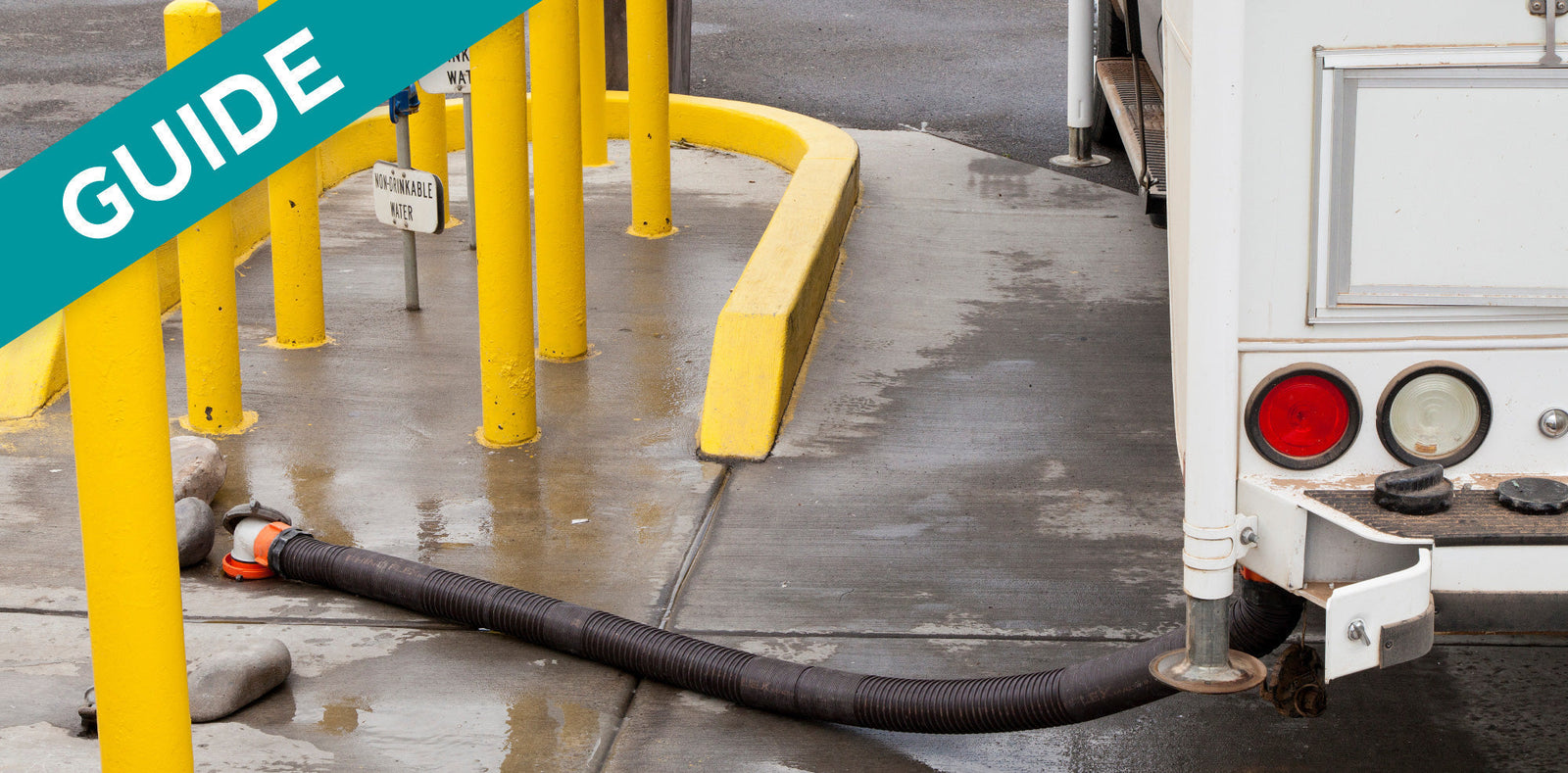
An RV dump station is a facility designed for emptying RV black, gray, and freshwater holding tanks into a city sewer or septic system.
These locations typically include a sewer port that allows you to connect your sewer hose from the RV, and dump the contents of the holding tanks. They also usually have a non-potable water spigot for rinsing tanks, components, and cleaning the area. RV dump stations are commonly found at campgrounds, RV parks, truck stops, and some rest areas.
Emptying RV Holding Tanks: Legal Rules & Regulations
Open dumping is the practice of emptying any of an RV’s holding tanks directly onto the ground, rather than using a sanitary dump station. In the United States, it is illegal to dump RV black water, gray water, and freshwater holding tanks on the ground, in storm drains, or in national parks.
Legal wastewater disposal requires using designated RV dump stations or approved sewer hookups found at campgrounds, rest stops, and approved public facilities.
Is it Legal to Openly Dump Gray Water and Freshwater Holding Tanks?
Not openly dumping RV black tanks makes logical sense because of the unsanitary contents, but what about gray water and freshwater holding tanks? The truth is that it is also illegal to dump gray water and freshwater holding tanks directly on the ground because of the damage, erosion, and contamination their contents can cause to the environment.
Can You Legally Dump Your RV Holding Tanks at Home?
The specific legal requirements for dumping RV holding tanks at home can vary by municipality, so check local regulations. However, if dumping at home, make sure you always connect to an approved sewer system clean out and never use storm drains.
Legally Dump Your RV Holding Tanks: Expert Tip
Best Practice: Only dump your RV holding tanks when you’re hooked up at a proper waste disposal location. There are a few exceptions to this rule, but it’s always better to assume that open dumping is illegal everywhere, and to find the nearest designated dumping station.
Where Can You Dump RV Holding Tanks?
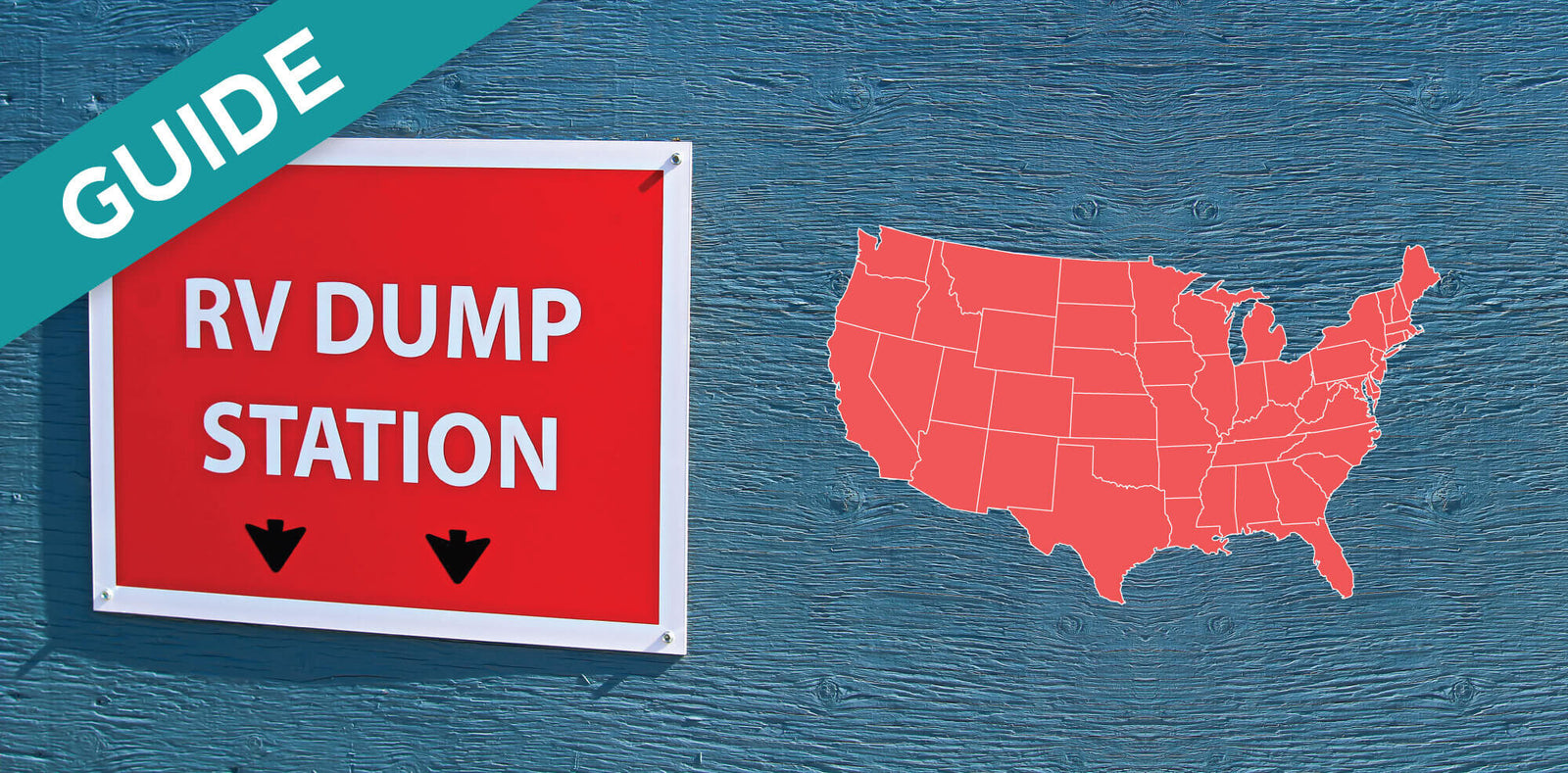
There are numerous places to dump your RV holding tanks, in fact, there are over 7,000 dump stations in the United States. Let’s take a look at some of the most common places where you can safely and legally dump your RV holding tanks.
For more details about how to expect at RV dumping stations: How to Use an RV Dumping Station
RV Parks & Campgrounds
Most RV parks and campgrounds have full-hookup sites with direct sewer connections, or a central dump station for guests. Many of these locations also allow the public to use their facilities by charging a dumping fee of $15-$25.
Important Note: At some RV parks and campgrounds, dumping is only reserved for visitors of the campground, and can only be accessed from a campsite. Always call ahead to the campsite to confirm their specific rules and restrictions.
Travel Centers & Truck Stops
Major chains like Pilot, Flying J, TA, and Love's are often equipped with designated RV dump stations. The fee for dumping at these travel centers is anywhere from $5-$30 depending on the location.
Many of the major truck stop chains now offer loyalty programs and rewards points that cut the fees for dumping RV holding tanks in half. Sign up to start saving on your next dump.
Important Note: Not all locations have a designated dumping station, even at the major chains. Confirm on Google, or call ahead, to ensure you’ll have access to dumping facilities when you arrive.
Rest Stops & Visitor Centers
Some states provide free dump stations at rest areas, though availability can vary, and it's best to check the state's department of transportation website beforehand.
National & State Parks
Campgrounds inside national parks don’t often have RV sewer hook-ups. Before you camp in a national park, be sure you know where the closest dump station is so you are not scrambling to find a dump station at the end of your trip. Check online, or call ahead to the National Park Visitor Center or ranger station to verify the list of nearest dumping locations.
RV Dealerships & Service Centers
Locations like Camping World often have dumping stations used for servicing their own inventory. Some locations may offer dump stations to campers for a fee.
Marinas
Boat marinas often have pump-out stations that can also be used for RVs, provided the location is accessible by your vehicle.
Septic Service Companies
Some municipal wastewater treatment plants will accept RV waste, but you should call ahead to confirm their procedures and fees.
Other Dumping Locations
Here’s a quick list of some other places to dump your RV holding tanks that you may not have previously considered.
Alternative dumping locations for RV holding tanks:
- Stadiums and convention/event centers
- Visitor centers
- RV storage and mini/self storage lots
- County and city parks
- Wastewater treatment plants
Can You Dump Your RV Holding Tanks at Home?
Sometimes it is possible to dump your RV holding tanks into your home's sewer clean-out port or septic system. At some homes, the sewer cleanout is accessible enough for you to hook up your discharge hose and dump the same way you would at a dump station. However, not every home’s sewer cleanout is accessible enough, requiring you to find an alternate dumping location.
Important Note:Before dumping at home, it is crucial to verify local regulations and consult a professional to ensure your system can handle the influx of waste without causing damage.
Learn more about dumping your RV holding tanks at home with this helpful guide: How to Dump Your Holding Tanks at Home.
How to Find a Designated RV Dumping Location
Finding a place to dump your RV holding tanks is easier than ever with all of the resources available for campers. By utilizing travel websites and apps, you can make dumping a convenient stop along the way, rather than an inconvenient chore.
RV Travel Websites
There are several websites that offer comprehensive lists and locations of dump stations so you can plan your camping adventures ahead of time, or even while on the go.
Helpful websites that list RV dumping locations:
RV Travel Apps
Nowadays, there are apps that can help you find RV dump stations, automated trip planning, live traffic, cell coverage maps, RV parking locations, and more.
Travel apps that provide RV dump site locations:
Whenever using an RV website or app, always call ahead to confirm the dump station is open, available to the public, and to check the current fee.
Important Note: We are not getting paid to promote these resources. They are simply a few of the best online resources available that will help you find where to dump your tanks.
How to Dump RV Holding Tanks
Dumping your RV black, gray, and freshwater holding tanks can be simple and easy, with the entire process taking less than 15 minutes with practice.
Dumping RV Black & Gray Water Holding Tanks
Dumping your RV black tank first, followed by the RV gray tank, ensures a clean process. After emptying the black tank, rinse it thoroughly to clear any residual waste before switching to the gray tank.
Step-by-Step Instructions for Dumping Your RV Black & Gray Water Tanks:
- Prepare by wearing gloves and using a dedicated wastewater hose for tank rinsing.
- Close all holding tank valves before starting to prevent backflow from your black tank into your gray tank.
- Connect sewer hose to the RV’s discharge pipe.
- Secure hose to sewer clean-out at a campsite or dump station.
- Dump the black tank by opening its valve completely.
- Rinse the black tank by filling the tank completely and emptying the contents 1-2 times for a thorough rinse. Make sure to close your black tank valve before each rinse.
- Close the black tank valve, then open the gray tank valve to flush remaining residue.
- If on full hook-ups, create a p-trap bend in the sewer hose and fill with water to prevent odors.
- For dry campers, rinse and store the sewer hose properly.
- Rinse the hose with fresh water before storing.
For in-depth instructions about how to dump your holding tanks: How to Dump Your Black and Gray Water Tanks
Dumping RV Freshwater Holding Tanks
The easiest way to empty your freshwater tank is by using the on board water pump and filling either the gray or black water tank.
Step-by-Step Instructions for Dumping Your RV Freshwater Tank:
- Dump your black & gray tanks first.
- Fill your black tank with the water that is still left in your freshwater
tank.
This will aid in rinsing the black tank while you’re pumping down the freshwater tank.
You can easily transfer water from the fresh water tank to the black water tank by making sure the water pump is turned on, and then holding down the toilet flush pedal. Be patient, as this can be a slow process since most RV water pumps flow at a rate of 3-5 gallons a minute.
- Dump the black tank again.
Do this once you’ve filled the tank with water from the freshwater tank.
- Speed up the process by running the sinks in your RV while you are
filling the black tank by holding down the flush pedal.
This reduces the fill time by pumping freshwater from multiple locations. Using this method is especially helpful if there is a line at the dump station. Remember that the water flow rate is still limited by the GPM (gallons per minute) rating of your water pump.
- Ensure the freshwater tank is empty.
You can confirm the freshwater tank is empty by checking the sensors at the controller, or by placing a bucket under the low point drain, and opening the valve (if present).
- Dump the black and gray water tanks you just filled.
After you’ve completed these steps, you should have successfully emptied your freshwater holding tank.
Safe & Legal RV Holding Tank Dumping: The Mark of a True RVer
Dumping your RV holding tanks can be a safe, legal, and convenient part of your camping adventures if you utilize the thousands of designated dump sites across the U.S., plan your dumps ahead with helpful websites and apps, and dump your tanks efficiently.
By following our expert tips, you don’t need to worry about causing environmental damage, incurring expensive fines, making inconvenient and out-of-the-way dumping stops, or spending lengthy visits at dump stations. Travel confidently and comfortably in your RV with the peace of mind that you’re dumping in a way that protects you, your family, other people, and the environment.
Have questions about legally dumping your RV holding tanks or how to care for your RV holding tanks properly? We’ve got you covered. Contact the professional Customer Support Team at Unique Camping + Marine for expert assistance with your RV.